
Galvalume vs Galvanized: Which Should You Choose?
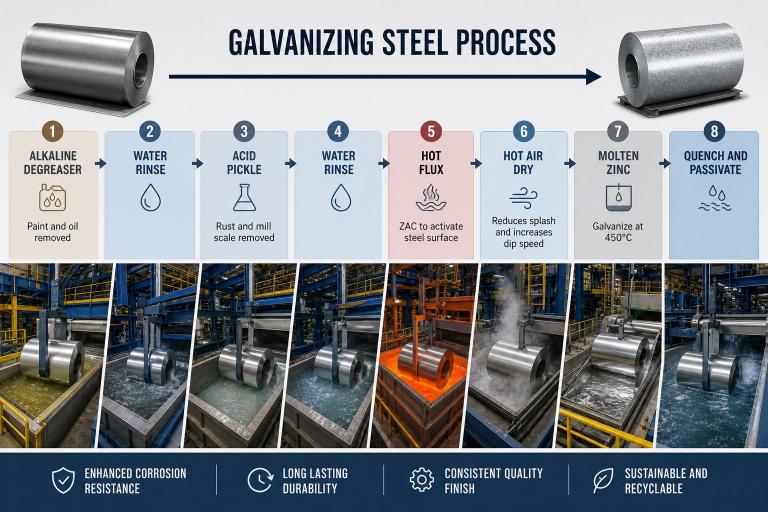
In modern steel processing, especially in advanced Galvanizing & Galvalume lines, selecting the right coating technology is critical for performance, durability, and cost efficiency. While both Galvalume and Galvanized steel are widely used across industries, they serve different purposes depending on environmental conditions, application needs, and lifecycle expectations.
If you're evaluating which material is right for your project—or your production line—this guide will help you make an informed decision.
Understanding the Basics
What is Galvanized Steel?
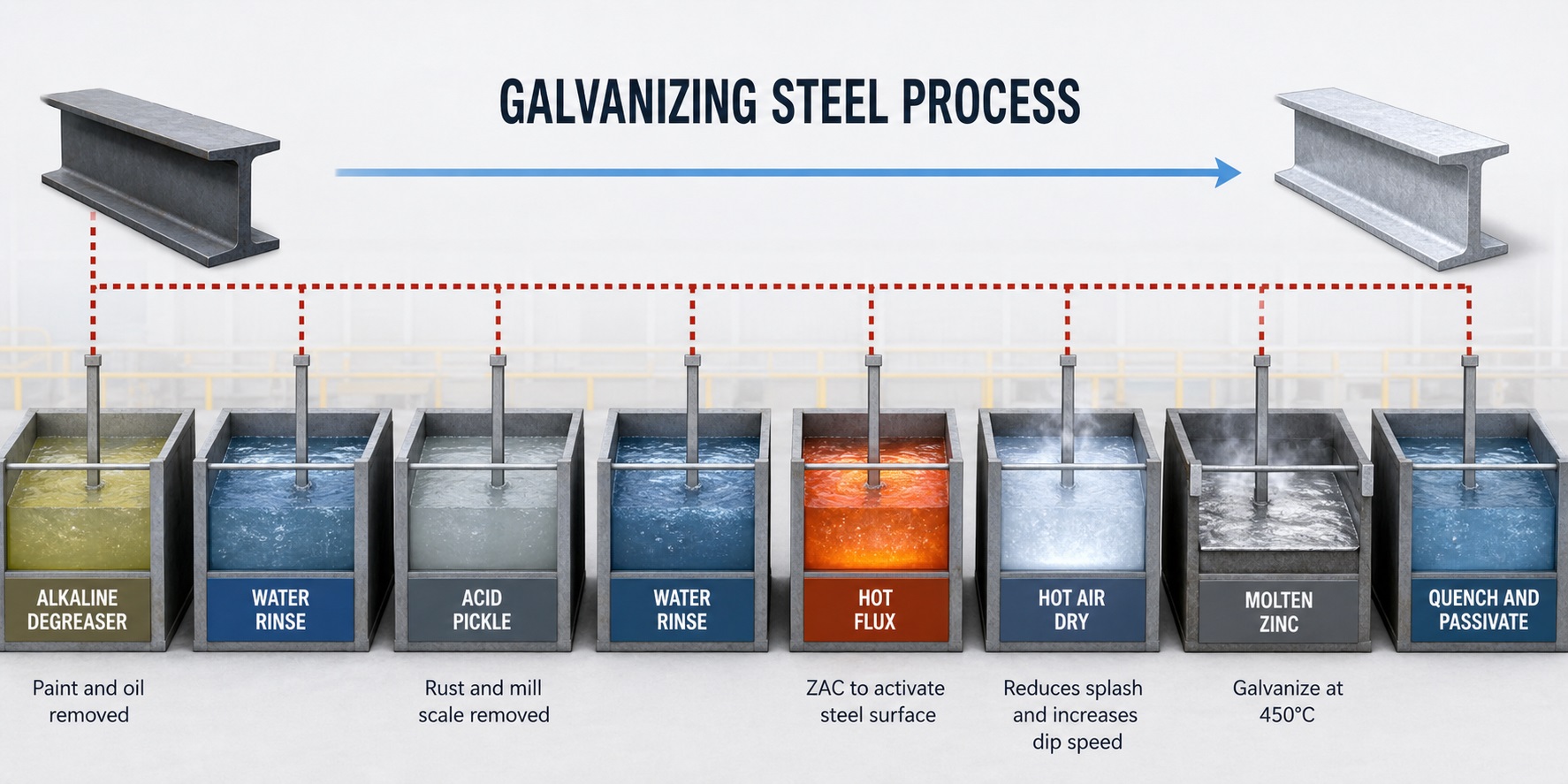
Galvanized steel is carbon steel coated with pure zinc through a process called galvanization. This zinc layer acts as a protective barrier and also provides sacrificial corrosion protection, meaning it corrodes first to protect the steel beneath.
Key Highlights:
- Cost-effective solution
- Good corrosion resistance
- Easy to form, weld, and repair
- Ideal for general-purpose applications
What is Galvalume Steel?
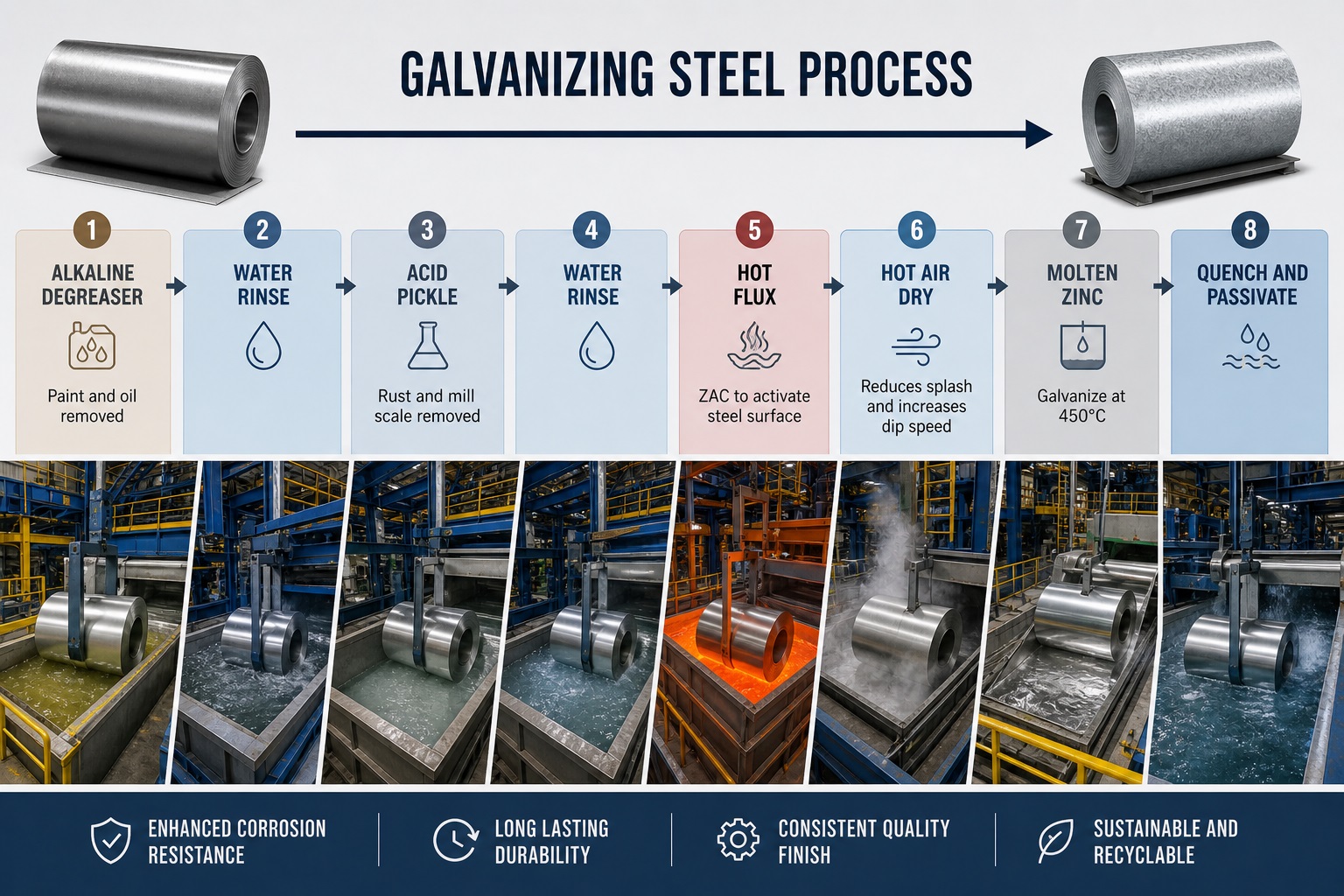
Galvalume steel features a coating made of aluminum, zinc, and silicon (typically 55% Al, 43.5% Zn, 1.5% Si). This combination creates a dual protection mechanism—aluminum provides barrier protection while zinc offers galvanic protection.
Key Highlights:
- Superior corrosion resistance
- High heat reflectivity
- Longer lifespan
- Modern, aesthetic finish
Key Differences: Galvalume vs Galvanized
| Feature | Galvanized Steel | Galvalume Steel |
|---|---|---|
| Coating Composition | 100% Zinc | Aluminum + Zinc + Silicon |
| Corrosion Resistance | Moderate | High (2–4× better in many environments) |
| Lifespan | ~20–30 years | 40–60+ years |
| Heat Reflectivity | Low | High |
| Formability | Better (more flexible) | Slightly less |
| Cost | Lower upfront | Slightly higher |
| Best Use Case | Budget projects, mild environments | Long-term, harsh environments |
Performance in Real-World Conditions
1. Corrosion Resistance
Galvalume clearly outperforms galvanized steel in harsh environments like coastal or industrial zones due to its aluminum-rich coating, which forms a strong oxide barrier.
2. Durability & Lifespan
Studies and industry data show that Galvalume can last 2–4 times longer than galvanized steel under similar conditions.
3. Cost vs Value
While galvanized steel has a lower initial cost, Galvalume often delivers better long-term ROI due to reduced maintenance and replacement frequency.
4. Fabrication & Processing
Galvanized steel is more malleable and easier to form, making it suitable for complex shapes and fabrication-intensive applications.
Applications: Where Each Excels
Choose Galvanized Steel If:
- You need a budget-friendly solution
- The environment is non-corrosive or mild
- Your project requires easy forming or welding
- Applications include fencing, automotive parts, and general construction
Choose Galvalume Steel If:
- You want long-term durability and low maintenance
- The project is in coastal, humid, or industrial areas
- You need roofing, cladding, or structural panels
- Aesthetic finish and heat reflectivity matter
Role of Advanced Processing Lines
Modern Galvanizing & Galvalume lines play a crucial role in ensuring coating uniformity, adhesion, and production efficiency. These lines are engineered to handle high-speed coating processes while maintaining strict quality standards.
If you're exploring high-performance steel processing solutions, check out:
Share Post